-
Ride short distances and often leave them unused? Don't wait for your battery to fail to charge befo
2026-10-30 14:17:01Many car owners have this confusion: they only travel two or three kilometers to commute to work every day, and the car does not run far. Or when you are traveling for business or vacation, the electric car will last for half a month, a month or two. When I wanted to ride again, I found that the range fell off a cliff and I couldn't even charge the battery directly. When I went to the garage to ask about the car, the mechanic said: The battery was sullied and lost power and was scrapped. Many people think that the battery is broken. In fact, for lead-acid batteries, loss of power storage is the number one killer in shortening the life.
Today Xiao Xin will tell you exactly how to charge for short commutes, how to maintain long-term parking, avoid the power loss crater, and make the battery life stretch.
01 Get it straight: What is battery "depleted sulfurization"?
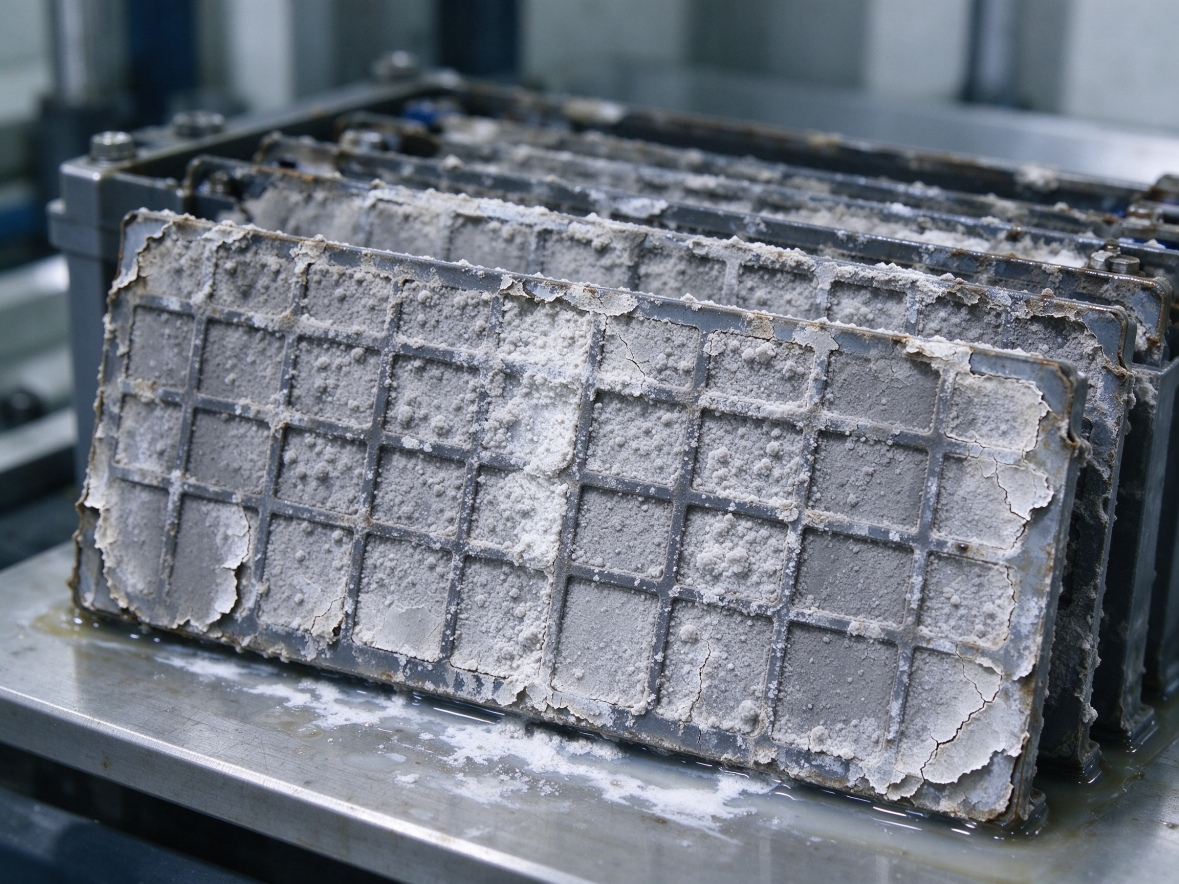
After the lead-acid battery is discharged, lead sulfuric acid is generated on the polar plate. When charged normally and in a timely manner, lead sulfate can be reconverted, and the battery can recover its charge. If the electricity is low and remains unchanged for a long time, lead sulfate will slowly form a hard crystal and adhere firmly to the polar plate - a process called sulphide. Once seriously sulphided, the capacity will be irreversibly reduced: it cannot run far, the charge is quickly full, the battery loses power immediately, and in severe cases, the battery cannot be charged immediately.
Little New warns: Most of this injury occurred during the stop phase, not during the ride.
02 How do I charge for a short commute, two or three kilometers a day?
The easiest pit for a short-distance traveler: riding a little way, feeling like there's still electricity, and dragging without charging. Many people only ride 2-3 kilometers a day, and the dashboard looks like there are two or three grams of electricity left, and they never charge. Looking at the power supply is still fine, but after each shallow discharge, the battery will not be completely replenished for a long time, and the plate will slowly accumulate sulfide, and the battery life will get worse every day.
Proper practice: 1. Optimal charging time: The remaining amount of electricity is still about 20% -30% (the dash remains 1 / 2 g) and charging is most suitable; Don't charge your car every time it runs out; 2. Priority should be given to using the original or matching charger produced by a regular manufacturer, and do not mix with other chargers; Priority should be given to charging in a ventilated and shaded area, avoid sun exposure and charge in a closed room; 3. After the charger turns the green light, unplug the charger for a maximum of 30-60 minutes. Do not charge the charger all night long to prevent overcharge of the charger; 4. It is recommended to complete the full filling at least once a week to allow the battery to be fully balanced and reduce sulfate accumulation.
Two bad habits that you should never do: ride a little on short trips and not charge at all for ten days in a row; 2. There was very little power, so I put it on hold when I parked it. Xiao Xin warns: Lead-acid batteries are not afraid to use normally, but are afraid to keep them "semi-hungry and hungry" for a long time.
03 How can I prevent power loss during holidays / business trips when my car is parked for a long time?
Many owners return to their hometowns during the holidays and go out for a long period of time. Once the car is thrown away, it is decades, and the battery is directly "dormant" when they return. The battery itself will have natural self-discharge, and the electric vehicle anti-theft and controller have static power consumption, and even if the key is turned off, the power will quietly drop.
Step-by-step operating procedure. Follow this:
1. Before discharge, fill the battery first, and do not store it directly with low power.
2. Find the air main switch inside the bucket, turn the main switch off directly, and cut off the dark power consumption of the entire vehicle. Models without a general switch can disconnect the battery negative wire when conditions permit, and the self-discharge speed will be greatly reduced;
3. Storage environment: Dry, cool and ventilated, avoid sun, rain, cold and freezing corners; Do not pile it in a damp basement;
4. Regular recharge cycles (key word!)
Normal temperature environment: recharge fully every 30 days;
High temperature summer: High temperature self-discharge is faster, and it is recommended to shorten it to 15 to 20 days to replace it.
Cold winter: Try not to store in a sub-zero environment for a long time, cold temperatures will accelerate decay;
During parking, do not lock the car for a long time to open the anti-theft alarm. Continuous consumption of electricity will accelerate the loss of power.
Bottom line: Not all things are going well when the battery is full, the lead-acid battery will discharge itself, and regular recharge is the core.
04 We're running out of electricity, can we save it?
If it is only parked for a period of time and has a slight loss of power, and has not serious deformation of the drum pack: Get to the ventilation position and continuously charge with the original charger and observe; If the charger is plugged in and cannot be charged, the probability is that it has been deeply sulphurized, and normal charging is difficult to repair. It is recommended to check at a regular store.
Once the battery appears to have a bulging shell, leaking fluid, hot, and smelly: Do not continue charging and using, replace it as soon as possible, and pay attention to safety.
Xiaoxin has put together a summary list. Remember to bookmark it!
Short commutes
The remaining 20% -30% of the electricity is charged in time and fully filled once a week
Original charger, don't overcharge for long after the green light
Do not ride a little at a time, and do not recharge for a long time.
Long-term suspension
Fully charge before going off and turn off the total power switch
Replacing electricity at constant temperature once a month shortens the cycle in summer
Store in a cool, dry place away from heat and humidity
Don't put electricity loss on hold for a long time.
A reliable set of lead-acid batteries cannot be separated from two elements: high quality + scientific daily maintenance. Longxin battery has been focused on the research, development, production and sales of lead-acid batteries for electric vehicles for 23 years, and has a stable and durable life from raw material selection to factory inspection, suitable for most two-wheel, three-wheel and low-speed four-wheel electric vehicles on the market, meeting users' daily transportation.
No good battery can withstand long-term power loss. Write to friends around you who ride an electric car to avoid the mistake of losing power and save money on changing batteries.

 Go Top


Jiangxi Chunxing new energy Co., Ltd Copyright